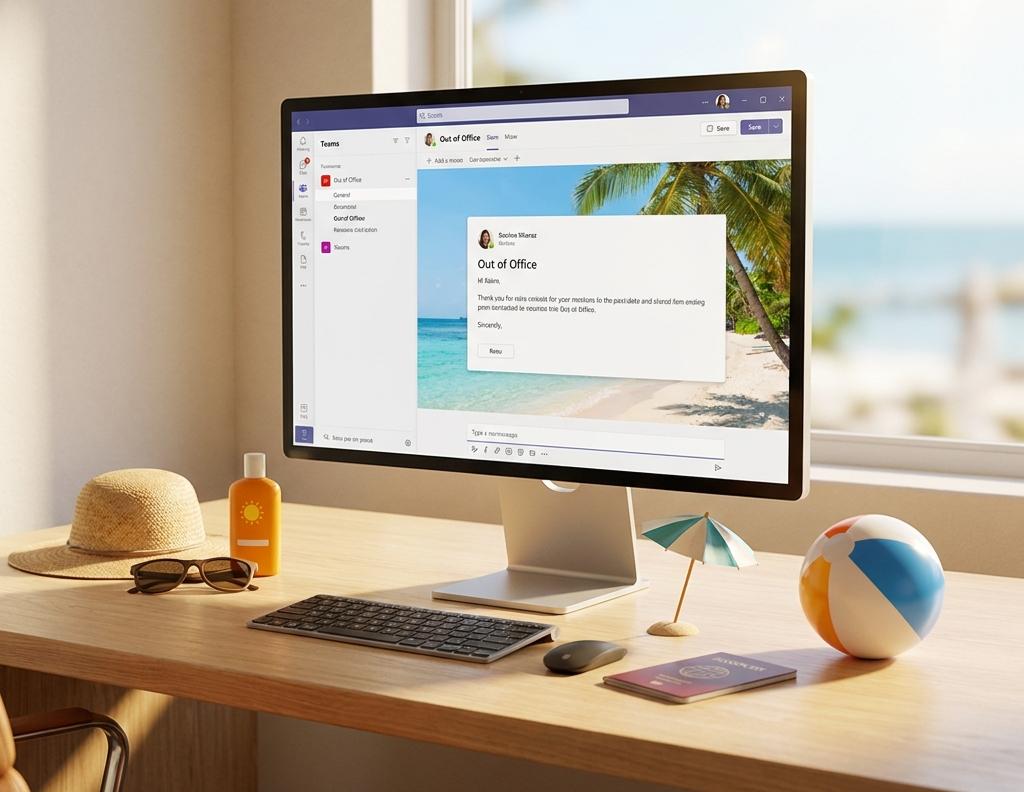
Summer is often seen as the best time for a relaxing holiday, but it can also be a period of significant workplace stress.
The automatic Out-of-Office replies start appearing, and calendars fill with annual leave. Teams finally take the well-earned breaks they have planned.
However, for many workplaces, the summer holiday season also brings something less welcome: the Out-of-Office Effect.
You know the scenario:
Someone goes on a holiday with a project 80% complete. Their colleague picks it up while they are away from the desk.
Another team member steps in to answer customer queries. Documents are saved somewhere ‘temporary’ and tasks are handed over in quick messages.
By the time everyone returns, nobody is entirely sure who owns what anymore. This is an organisational problem, not just a productivity one.
When Good Intentions Meet Real-World Workloads
Most employees do not intentionally leave unfinished work. They often work right up until their last day before their holiday begins.
They try to clear as much as possible, but when deadlines and customer requests continue to move, perfect handovers become difficult to achieve.
The result is a chain reaction:
- Tasks are partially completed and passed between colleagues.
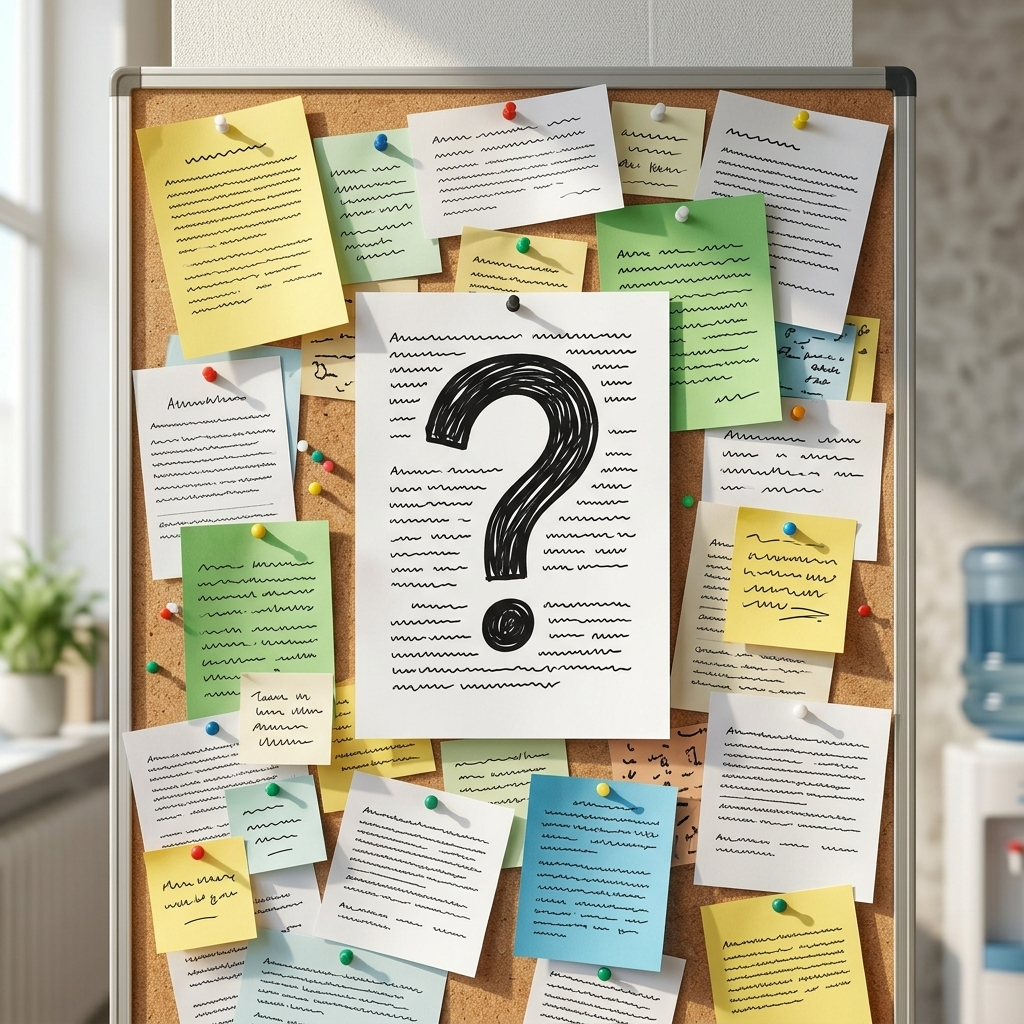
- Important information lives in multiple places.
- Temporary workarounds become permanent processes.
- Teams spend time searching rather than doing.
- Returning employees spend days figuring out what happened while they were away.
The larger the organisation, the greater the impact can become during the peak holiday months of the year.
While these challenges are often associated with offices, they affect almost every workspace environment across many different sectors.
This includes warehouses, distribution centres, healthcare settings, schools, retail operations, and various public sector organisations.
Wherever people rely on shared information and shared responsibilities, summer absences create openings for confusion and missed deadlines.
This creates friction that slows teams down. It also increases stress levels for those covering additional responsibilities alongside their own work.

Reducing Disruption During the Summer Holiday
Why Organisation Matters More During Holiday Season
The businesses that navigate holiday absences most effectively are often the ones with the clearest systems and professional tools.
When information is easy to find and processes are visually communicated, employees can step into unfamiliar tasks with far greater confidence.
Good organisation reduces the dependency on individual knowledge. This allows the team to function even when key people are away.
Instead of relying on one person knowing where something is, the workspace itself provides the answers via clear signage.
This is where practical workplace solutions often make the biggest difference for growing teams and busy managers alike:
- Clear information displays help communicate processes and responsibilities.
- Labelling systems make locating materials and documents quicker.
- Document holders ensure important instructions remain visible and accessible.
- Files, folders and organisational tools help teams maintain continuity when responsibilities are shared.
- Even seemingly simple items such as letter trays, desk organisers and drawer systems help prevent work from disappearing.
The Physical Workplace Still Matters
In a digital world, it is easy to assume software solves everything. However, physical environments still play a huge role in productivity.
People interact with spaces as much as they interact with systems. A well-designed workspace supports flow and reduces daily friction.
Effective physical organisation prevents the common "where is it?" questions that plague teams when a colleague is on holiday.
Consider how these physical tools facilitate better handover results for your staff members and temporary cover:
- Clear signage reduces interruptions and improves clarity.
- Information frames keep critical updates visible for everyone to see.
- Desk dividers help create focused areas for temporary team members.
- Key management systems prevent unnecessary searching for access.
- Monitor mounts and laptop stands help create adaptable stations.
The right workplace tools do not replace good established processes. Instead, they support them during periods of increased absence.
Turning Summer Continuity into Success
The reality is that breaks are not the problem. Rested employees are essential for healthy and highly productive local businesses today.
The challenge is ensuring that work continues smoothly. This requires a workspace where information is permanently easy to access.
When systems are structured properly, taking a well-earned break stops feeling like a disruption to the rest of the professional company.
A robust organisational strategy ensures that projects keep moving forward and teams stay focused on their primary office objectives.
When responsibilities are clear, employees return to manageable workloads rather than mountains of catch-up after their summer break ends.
Perhaps most importantly, everyone can actually enjoy their time away without worrying about the current state of their office desk.
After all, the best Out-of-Office message is the one that allows a team to function perfectly without needing to reach out for help.



Leave a comment
All comments are moderated before being published.
This site is protected by hCaptcha and the hCaptcha Privacy Policy and Terms of Service apply.